What Access Control Installation Actually Involves
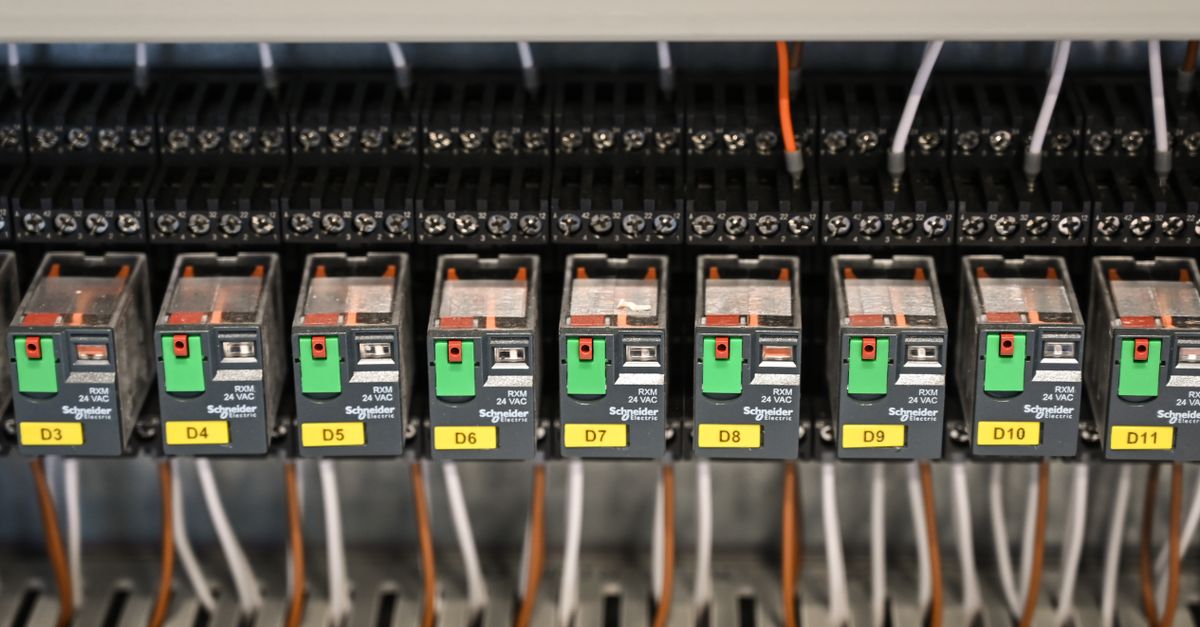
Electronic entry is not a single product — it is a coordinated system of reader hardware, locking mechanism, power supply, control panel, and credential management software. A keypad-based entry point requires a strike plate or locking device that can accept an electronic signal, a keypad reader rated for indoor or outdoor use, low-voltage wiring run to a controller, and a power source with battery backup so the door does not trap you during an outage. Card-based systems add an enrollment process where each proximity card or fob is assigned to a specific user and logged in the controller — meaning you always know who entered and when. Our locksmith technicians assess your door frame, existing hardware, and use case before recommending any equipment, so the components we install are matched to how the door actually gets used.
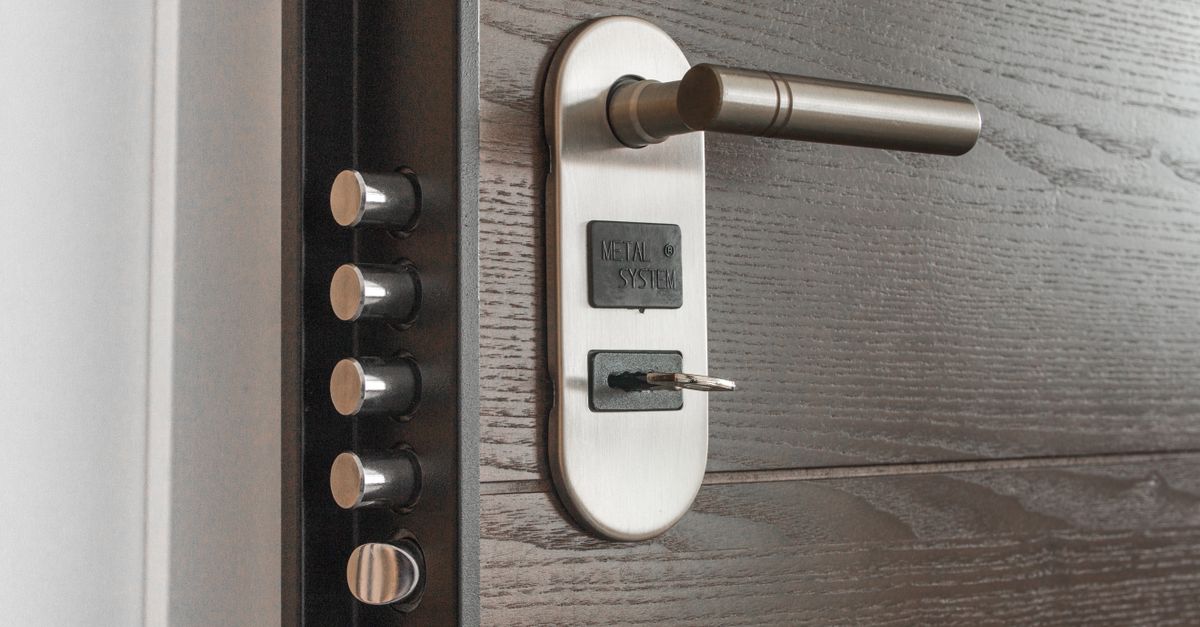
One of the most important hardware decisions in any access control system installation is the locking mechanism itself. A common choice for commercial and multi-unit residential applications is an access control mortise lock — a full-body lock cartridge that fits into a routed pocket in the door edge and integrates a deadbolt, latch, and sometimes a request-to-exit sensor into a single, robust unit. Because an access control mortise lock sits inside the door rather than surface-mounted on it, it is far more tamper-resistant than a standard cylindrical lock with an electric strike added on top. We stock and install mortise lock access control hardware from reputable manufacturers and can retrofit existing mortise-prepped doors or cut new pockets on site.