Car Key Replacement by Vehicle Brand: What You Need to Know
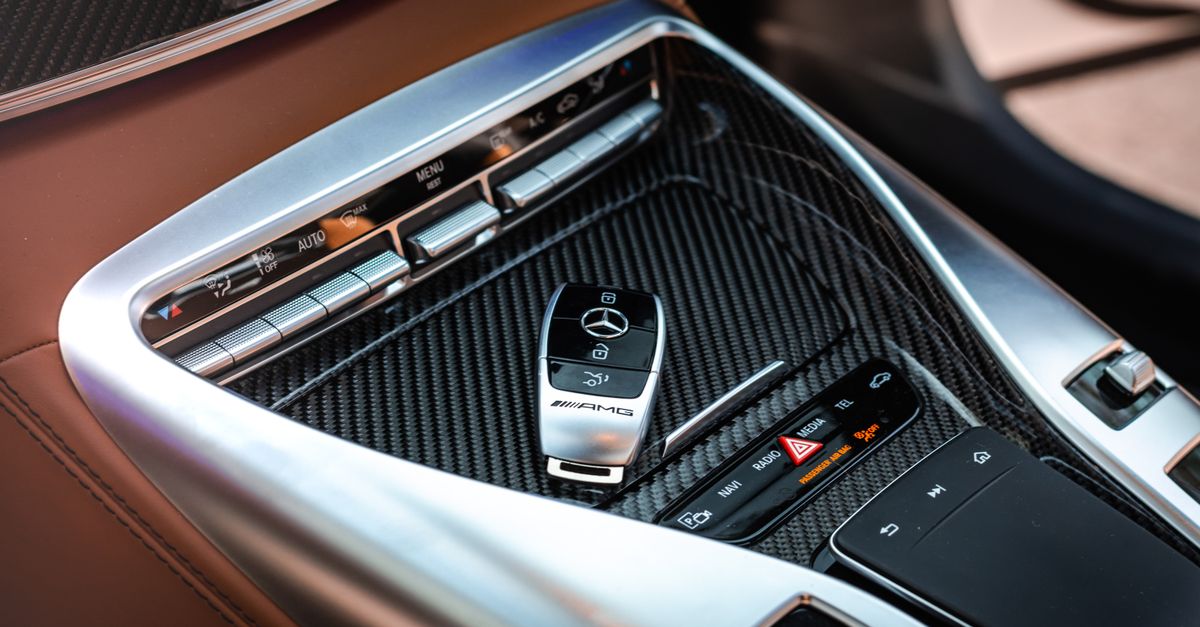
Every automaker engineers its key security system differently, and that directly affects how your replacement is handled. Toyota and Lexus vehicles, for example, rely on a Smart Key System that pairs proximity sensors with encrypted transponder signals — reprogramming requires onboard diagnostic access that our mobile units carry on every dispatch. Honda and Acura models from the mid-2000s onward use an immobilizer system tied to the Vehicle Identification Number, meaning a correctly cut key that isn't properly programmed simply will not start the engine. Ford and Lincoln push-button-start vehicles use the PATS (Passive Anti-Theft System), while General Motors vehicles across Chevrolet, GMC, Buick, and Cadillac lines use VATS or PassLock technology depending on the model year. German brands — BMW, Mercedes-Benz, Audi, and Volkswagen — layer multiple security protocols that demand up-to-date software and vehicle-specific coding. Our technicians stay current on these evolving systems so the job is done correctly the first time.
Chrysler, Dodge, Jeep, and Ram owners often encounter the SENTRY KEY immobilizer, which stores transponder data directly in the vehicle's Powertrain Control Module. Subaru, Nissan, and Hyundai platforms each have their own rolling-code fob architectures that must be synchronized precisely to the receiver inside the car. Regardless of the brand in your driveway, call us at 516-407-9986 and a technician will confirm compatibility before arriving — 24/7, any day of the year.